
The 2026 Desk Bike Buying Guide: How to Avoid Picking the Wrong Model
We tested every desk bike category in our lab. Price, resistance, and brand are worth comparing, but they don't tell you whether you'll still be pedalling a month from now. What does?
Not sure which one?
Most people pick the wrong category — find yours in 60 seconds
3 questions about your desk, goals, and budget. We tell you exactly which bike to buy.
See every model
13 desk bikes ranked — including the ones we'd skip
Full comparison with ratings, prices, and our honest take on each.
Goal: weight loss
How many calories does desk biking actually burn?
The number surprised us. See the live calculator — enter your weight and find out.
Not about weight loss
Sitting 8+ hours a day raises your mortality risk 2.6×. Here's what the research says.
You can be slim, go to the gym, and still be at serious risk. The science on what sitting does — and why movement at your desk changes the number.
Quick summary: what's inside this guide
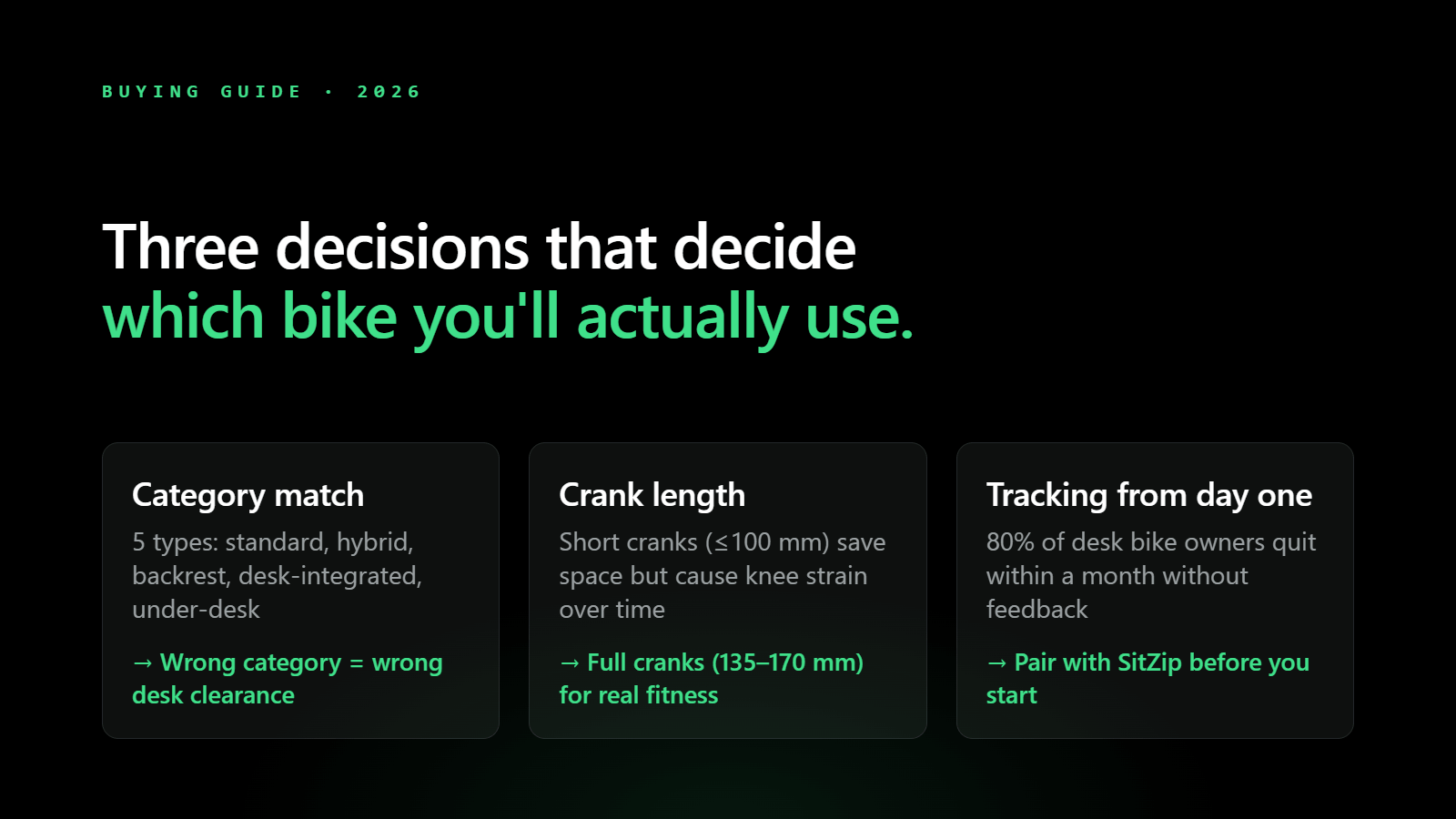
- Why you shouldn't buy certain desk bike types: the major design flaws, space limitations, and traps that make specific models a waste of money.
- What crank length is, and why it matters: how it impacts long-term joint health, and why short pedal arms cause chronic knee pain.
- Why 80% of desk bike habits fail: the psychological reason most people quit within a month, and the simple tracking strategy (SitZip tracker) that keeps your bike from gathering dust.
🏋️ Looking to lose weight using a desk bike? See how much weight you can lose with our interactive calculator.
Introduction
If you are looking to stay active during the workday, you have likely searched for an "under-the-desk bike" and found yourself overwhelmed by the variety of options. The truth is, "desk bike" is a broad term that covers everything from simple floor pedals to fully integrated cycling workstations.
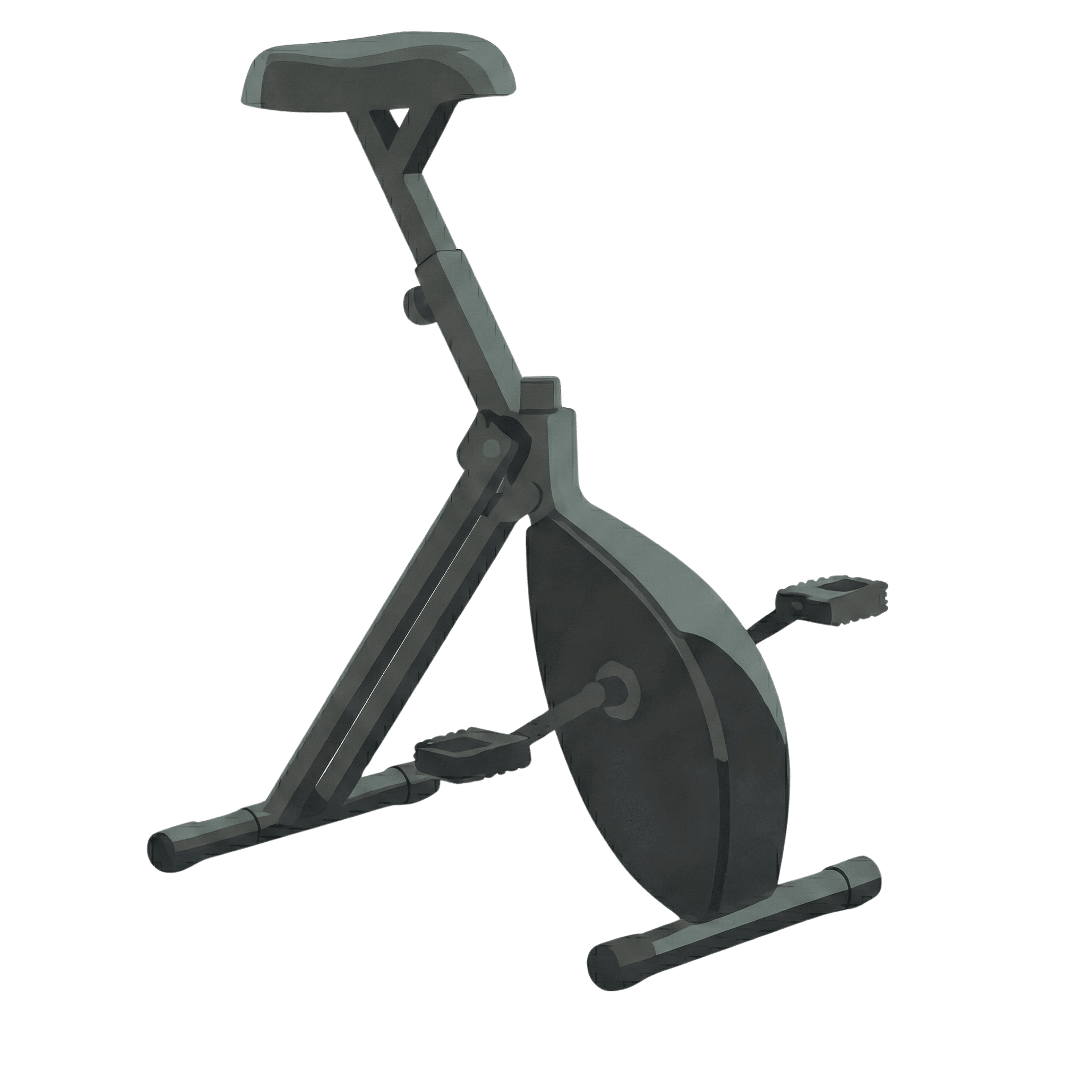
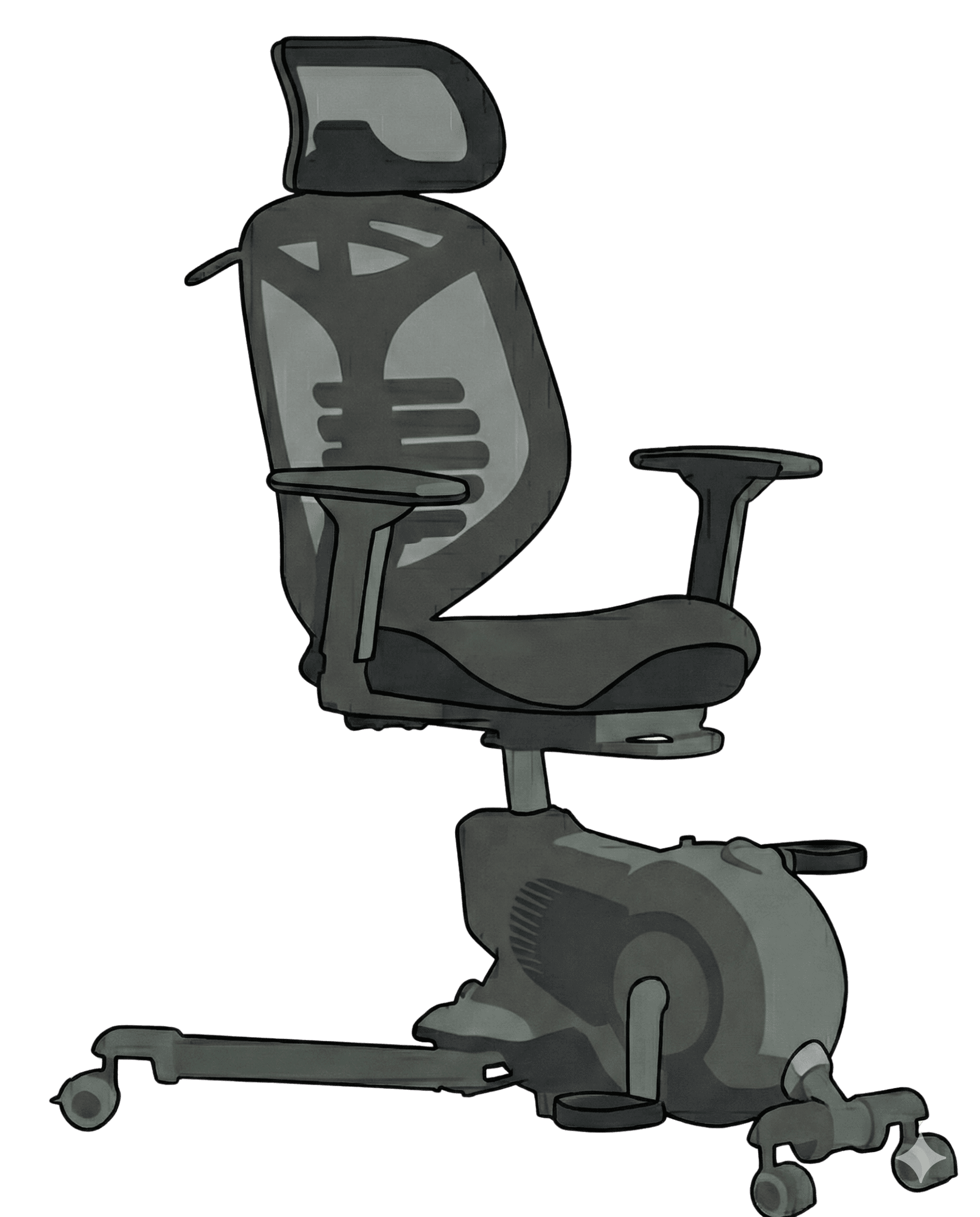
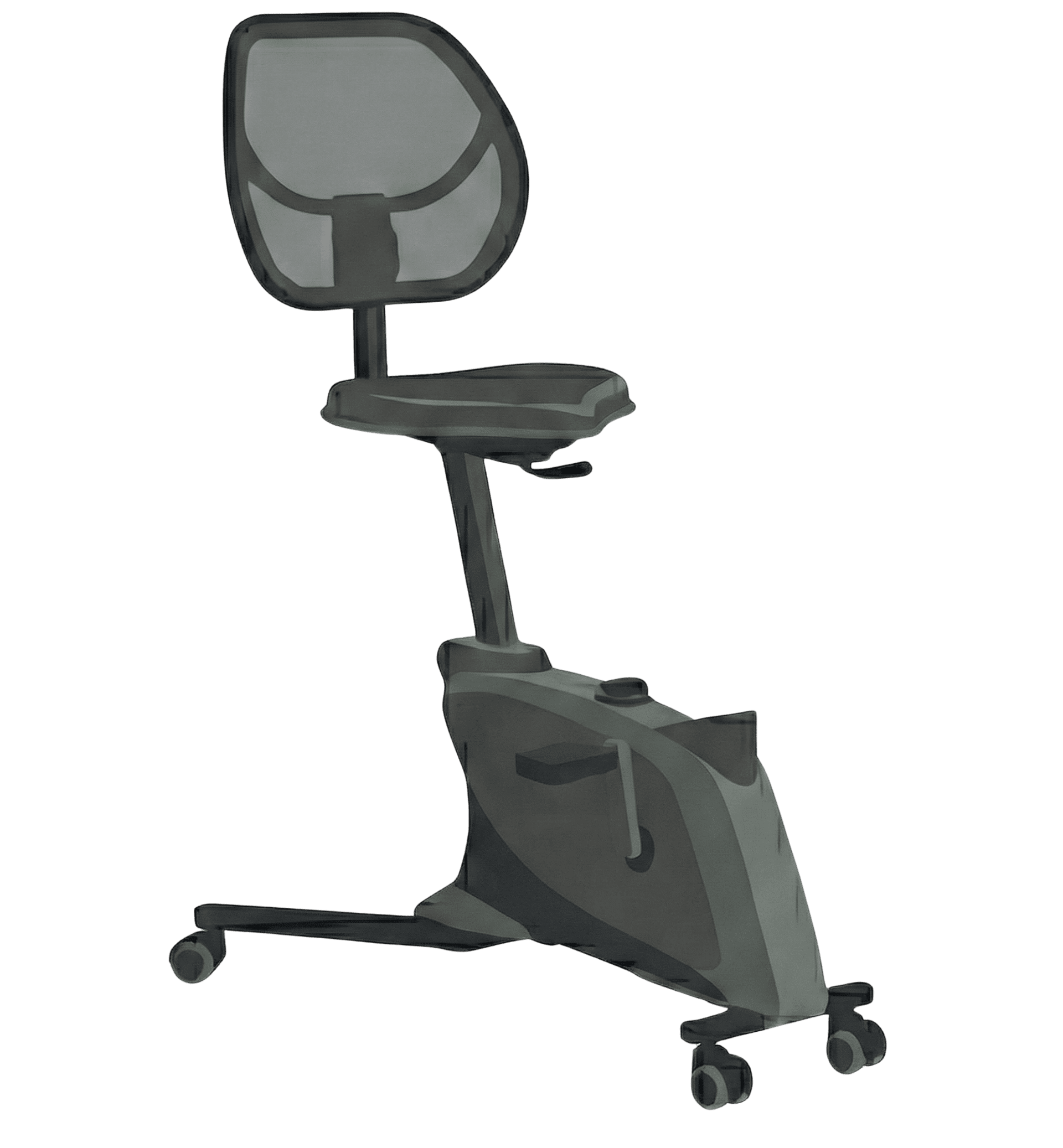
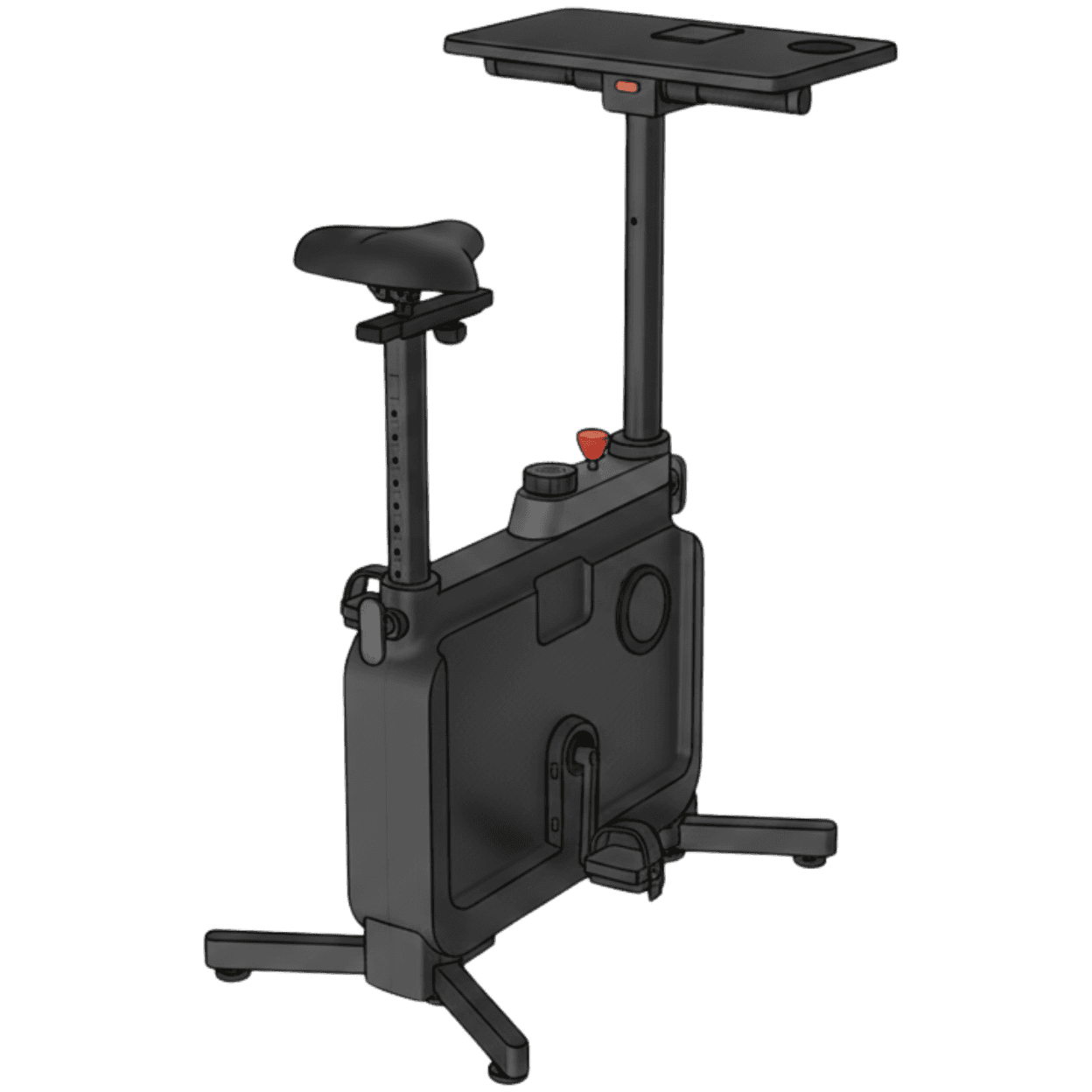
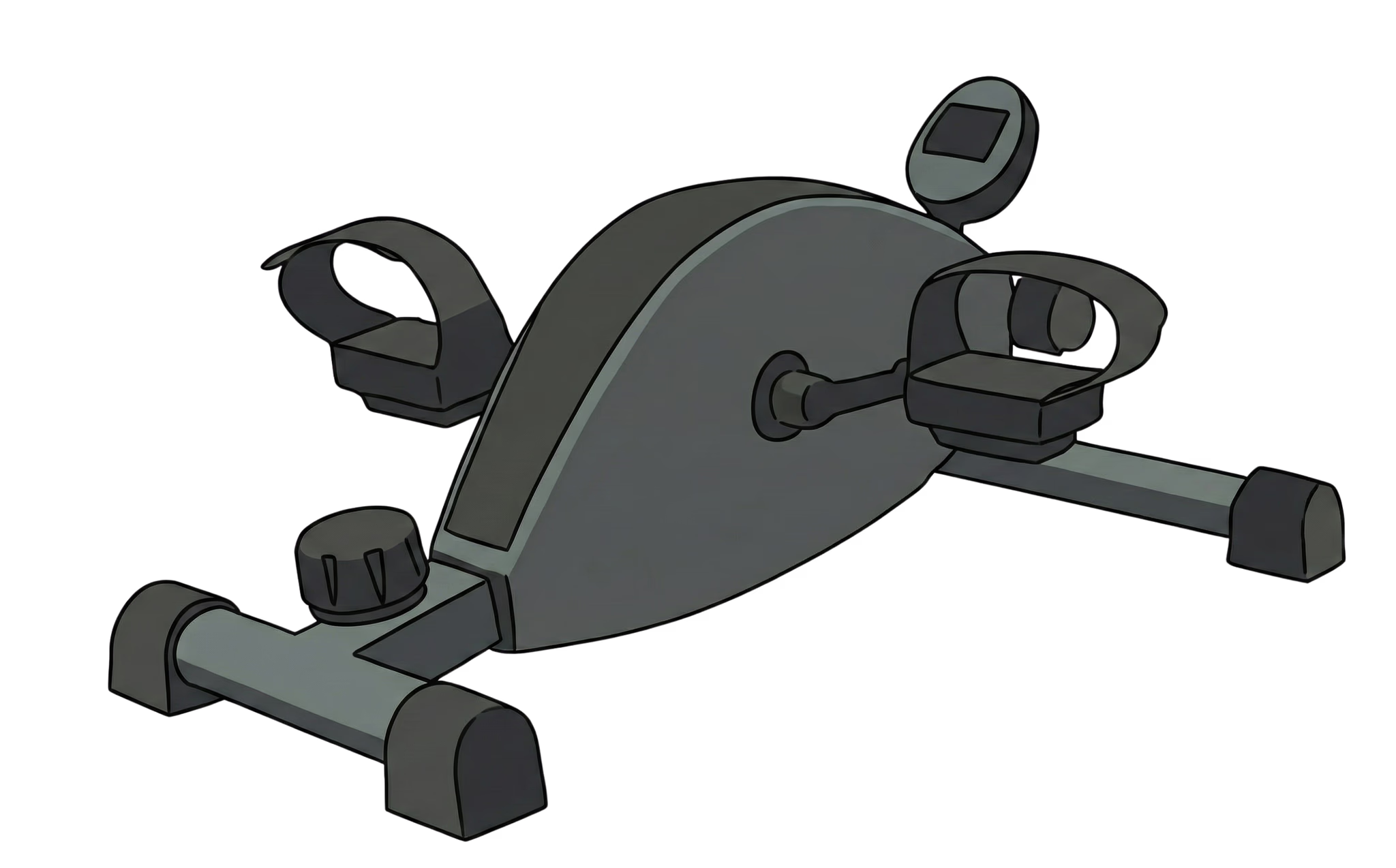
Desk bikes fall into five categories, shown below; swipe through to see each:
Why you can trust our desk-cycle reviews
- Lab-grade testing. Every unit is tested for at least a week in both home and office environments, using professional Assioma PRO RS power pedals to measure resistance and physics models to calculate real-world calorie burn, not the inflated numbers from manufacturers.
- Expert scrutiny. We manually measure crank lengths and compare decibel levels at every resistance setting to protect your joint health and your office's quiet environment.
- Experienced reviewer. Our reviewer has spent hundreds of hours on different desk bikes and is a hobbyist cyclist.
 Read review
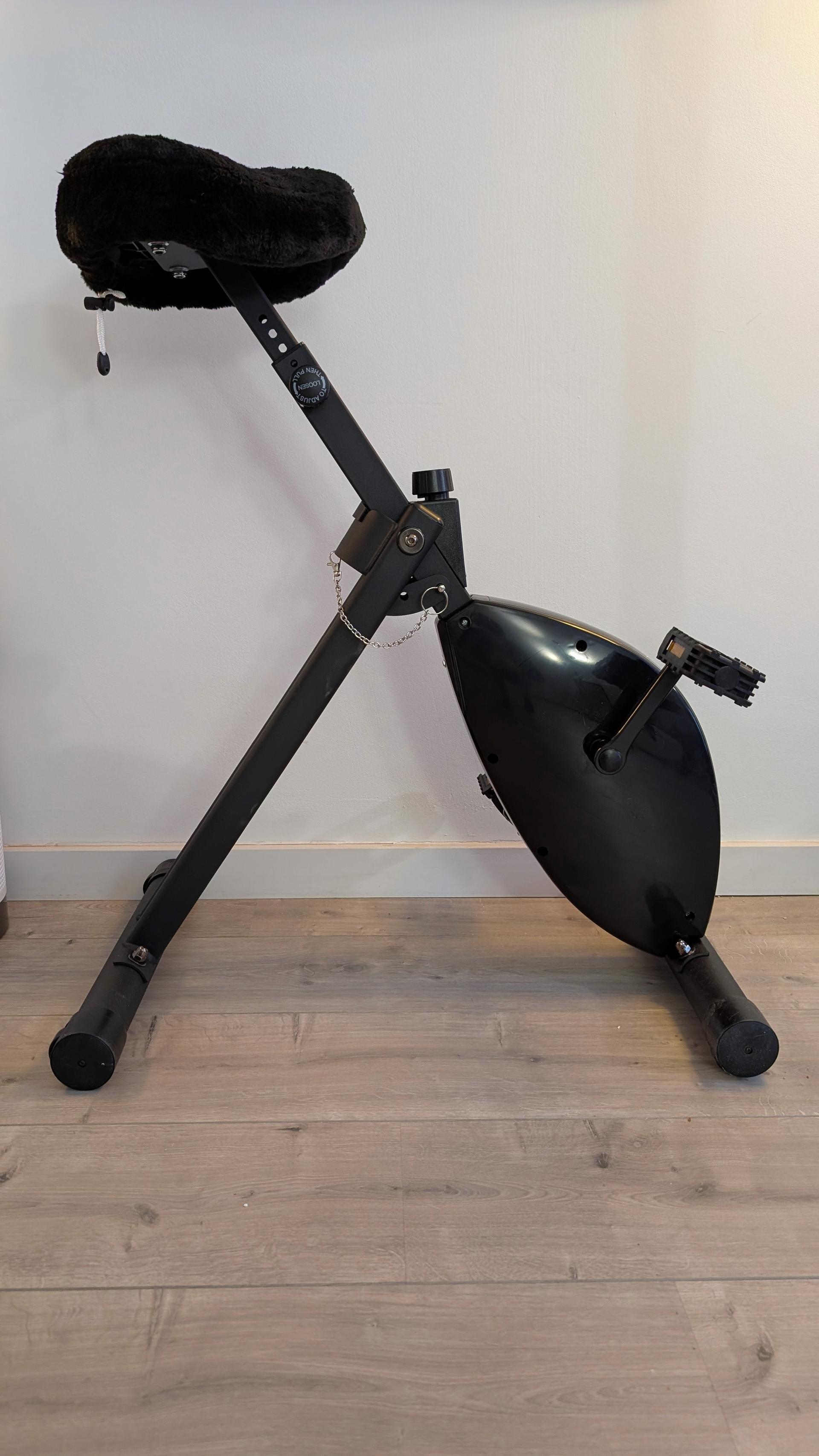
The standard desk bike
The basic desk bike is meant for upright usage, typically with a standing desk (otherwise your knees will hit the desk when pedaling). The lack of backrest forces you to mind your posture.
Pros:
- Feels most like riding a normal bicycle or exercise bike
- Some models allow high wattages (200+) so enthusiast cyclists can get a real workout
Cons:
- Saddle gets uncomfortable after a while
- You will probably still need a normal desk chair
- Standing desk required
SitZip pick: Deskbike.com is a Dutch brand that has sold these for over a decade. They offer a sensor that's rechargeable via USB-C, multiple colors, and a wide resistance range. Two frame sizes accommodate different heights. Read our full review.
 Read review
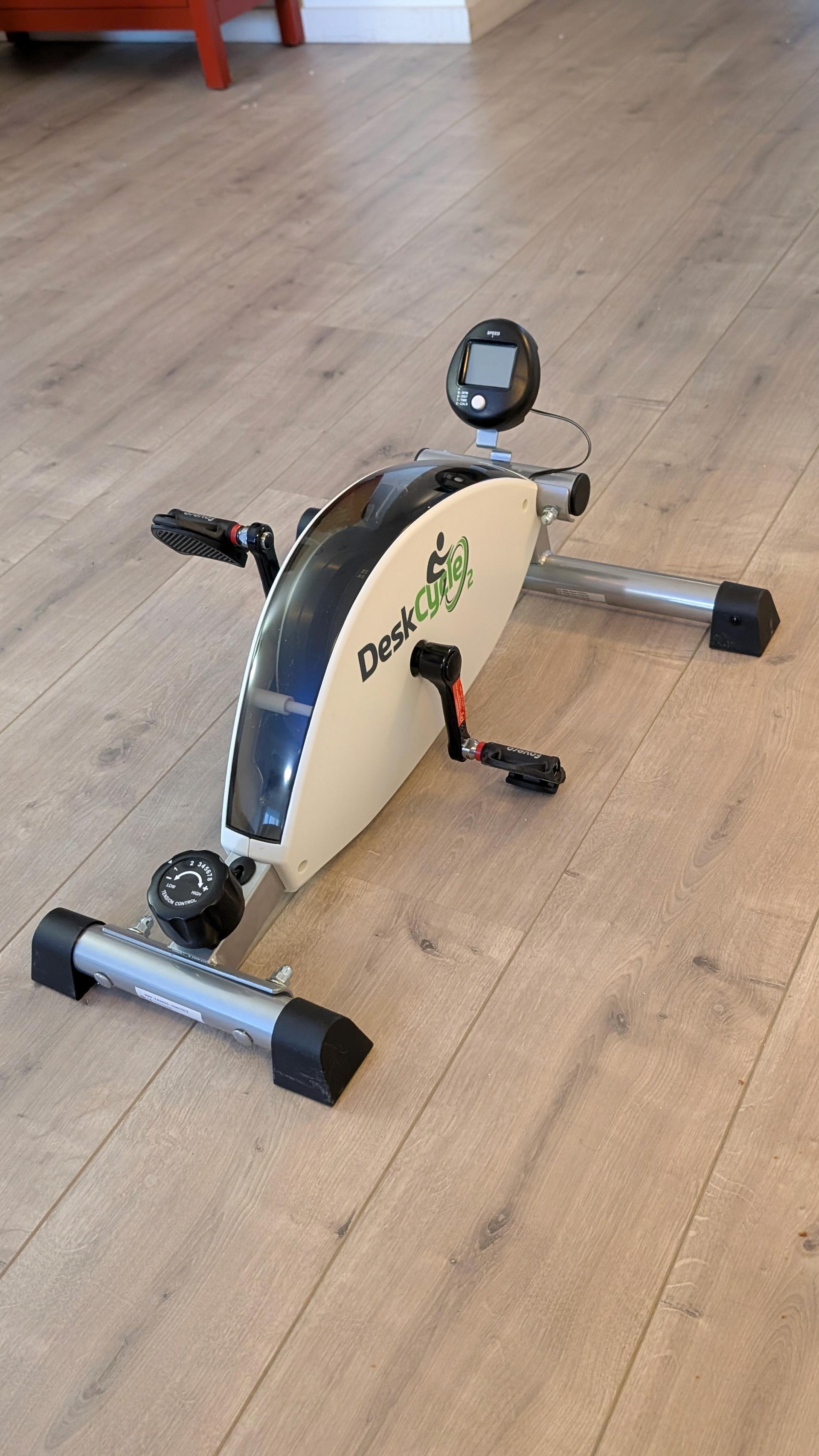
Under-desk bike pedals
The under-desk cycle is most popular amongst elderly users and people rehabilitating their legs.
Pros:
- Very space efficient
- Usually the cheapest option
Cons:
- Pedaling pushes a wheeled desk chair away from the cycle
- Range of motion is small; less muscle engaged per stroke
- Not suitable for a "real workout"
- If you're reasonably tall, you may still need a standing desk for a comfortable posture
SitZip pick: DeskCycle.com, an American brand that's been around for a long time. Read our full review.
The desk-chair-cycle hybrid
A newer option, currently only sold by Flexispot in select countries.
Pros:
- No need to own both a desk chair and a desk bike
- Comfortable to sit on even when not pedaling
Cons:
- Hard to find data or independent reviews
- Limited country availability
We are still testing this category and have no recommendation yet.
 Read review
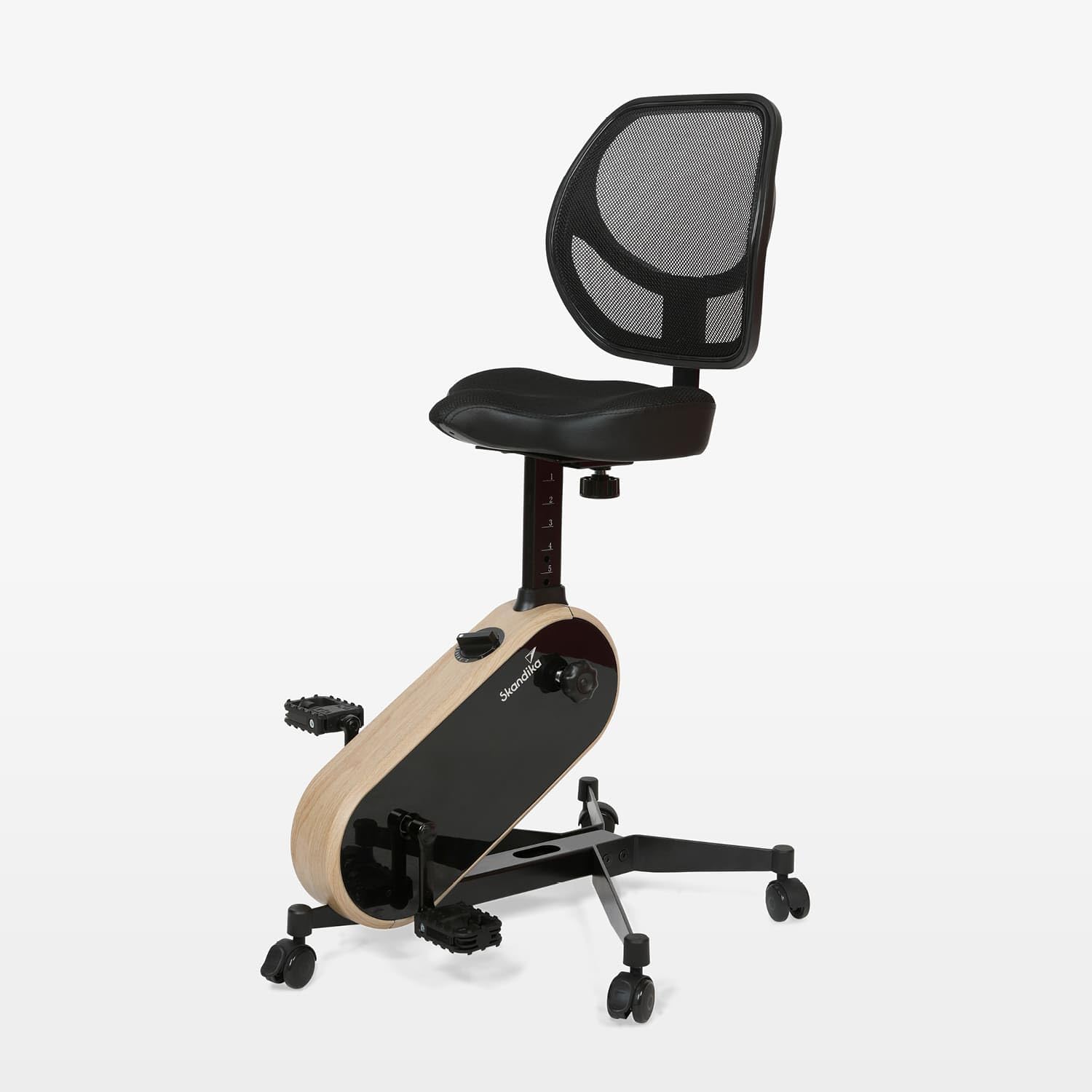
The comfortable desk bike (with backrest)
This differs from a standard desk bike by having a larger saddle and a backrest.
Pros:
- Most people find it more comfortable than a regular saddle
- You can lean back and shift positions
- You may not need a separate office chair
Cons:
- Backrest position can be too close or too far depending on the model
- A standing desk is required
SitZip pick: Skandika sells a version of this model (sold as HitGo in the US). Read our Skandika review or the HitGo review.
 Read review
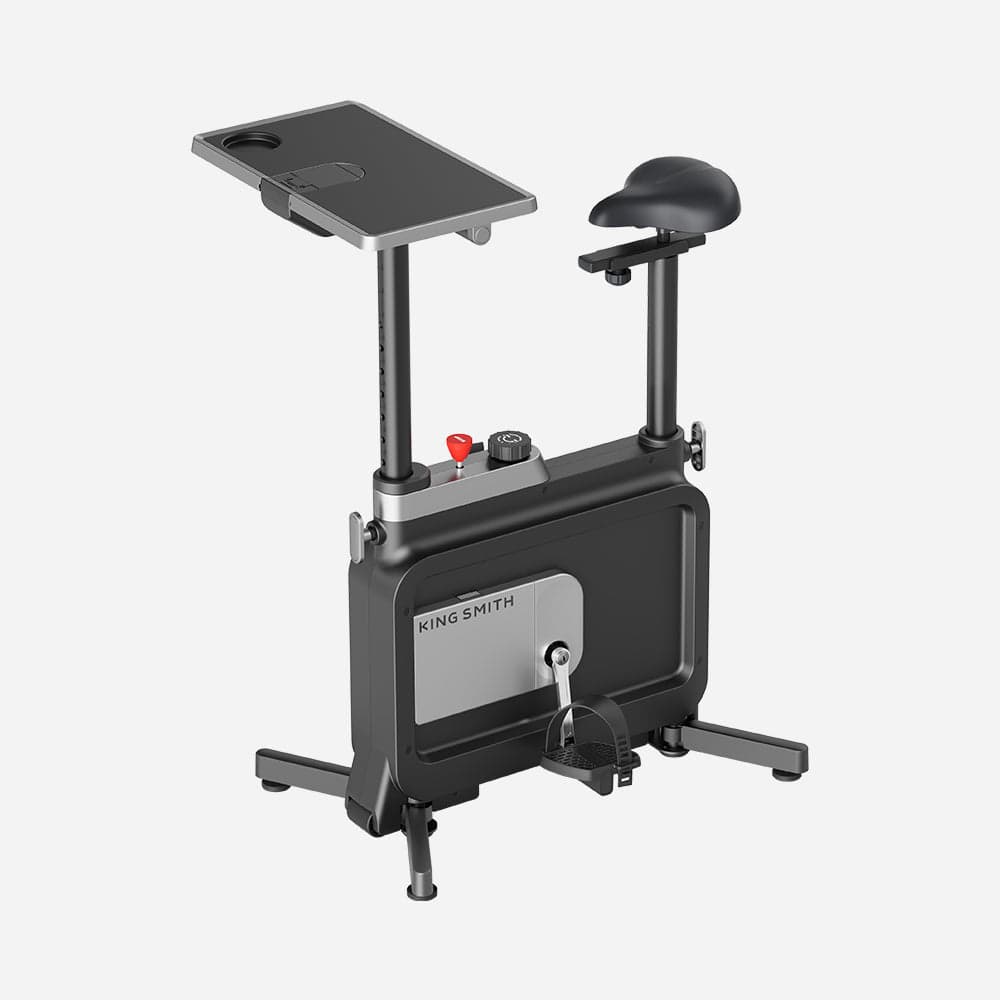
The bike-desk (with included table)
A desk-cycle with included desk. Typically comes with a regular seat.
Pros:
- Very space efficient; no separate standing desk needed
- You can work on your laptop without changing your existing desk setup
Cons:
- More expensive
- Heavier (structural elements for the desk)
- Harder to move around
SitZip pick: the KingSmith W1B, a serious workout machine that looks like modern office furniture.
Crank length: what it is and why it matters
Crank length determines the size of your pedaling circle. While shorter cranks let many desk bikes fit into compact spaces, the quality of motion matters for your long-term health, comfort, and calorie burn.
100 mm crank
short · tight arc170 mm crank
long · wide arcMuscle loading — every muscle, both cranks
All four groups contribute on every crank length. The bars show relative loading — a longer crank draws more from the hips and hamstrings by carrying each joint through a larger range, while a short crank shifts effort toward a faster, smaller spin. Nothing turns off.
Longer crank = more calories burned
Pedaling traces a circle. A longer crank makes that circle 70% bigger. Your foot travels further on every stroke — so every stroke does more work, and more work means more calories burned.
170 vs 100 mm · same rpm
Bottom line: a short crank is like riding a kid's bicycle — tiny pedal circle, legs spinning fast, not much effort. A long crank is a real bike — bigger circle, more push, more calories burned every single stroke.
The ergonomic balance
Under-desk bikes use shorter cranks to keep your knees from hitting the underside of your desk. This is a clever space-saving design, but a confined pedal stroke can place unnecessary strain on knees, hips, and ankles over time.
Models with a standard crank length (like the KingSmith W1B) allow for a natural, circular motion that closely matches a real bicycle.
Why comfort equals results
- Injury prevention: a smooth, natural stroke reduces repetitive-strain injuries.
- Sustainable fitness: if you're comfortable, you'll pedal longer; a 60-minute low-impact session beats a short, uncomfortable sprint.
Bottom line: when selecting a desk bike, look for one with a natural range of motion. For most people that means a large enough crank.
Why most desk bikes end up gathering dust
You want to stay active while you work, but there's a hidden obstacle: the data void. Pedaling without tracking is like driving a car without a dashboard. You're putting in effort, but because you can't see your speed, distance, or calories, it feels like an endless invisible chore. Without feedback, motivation hits a wall; your bike becomes an expensive clothes rack.
At SitZip, we believe every pedal stroke should count toward your goals. We've logged hundreds of hours testing these models. Data is the difference between a forgotten habit and a life-changing transformation. More about our app →
The plan
A simple three-step path to turn a "dumb" bike into a smart workstation:
- Equip: attach the SitZip desk bike tracker to the pedal arm.
- Sync: open the SitZip app to link your movement to your dashboard.
- Succeed: watch your miles and calories add up in real-time.
Final verdict: which desk bike should you buy?
Choosing the best desk bike depends on your workspace constraints and fitness goals.
- For the serious cyclist: the KingSmith W1B, closest to a real workout, with large crank length and handles hard pushing.
- For ergonomics & all-in-one convenience: also the KingSmith W1B; integrated desk, standard crank, premium materials.
- For maximum comfort: the Skandika Desk Bike (or HitGo in the US); backrest support lets you replace your office chair entirely.
- For rehabilitation & small spaces: the DeskCycle 2, a cost-effective starting point with the least ergonomic range of motion.
Whichever model you pick, the key to success is tracking your habit. Equip your setup with a SitZip desk bike tracker.
In a rush?
Use our Desk Bike Finder
Answer 3 quick questions and get a personalised pick.
Or browse all models
See the full desk bike list
Every model we've tested, side by side.
Lose weight
Reach your desk bike weight-loss goals
Burn ~170 kcal/h at a conversational pace.
For your team
Start using desk bikes & SitZip within your business
Bulk pricing and team rollout for your office.
The tracker
More about our app
Track every desk bike with the SitZip tracker.